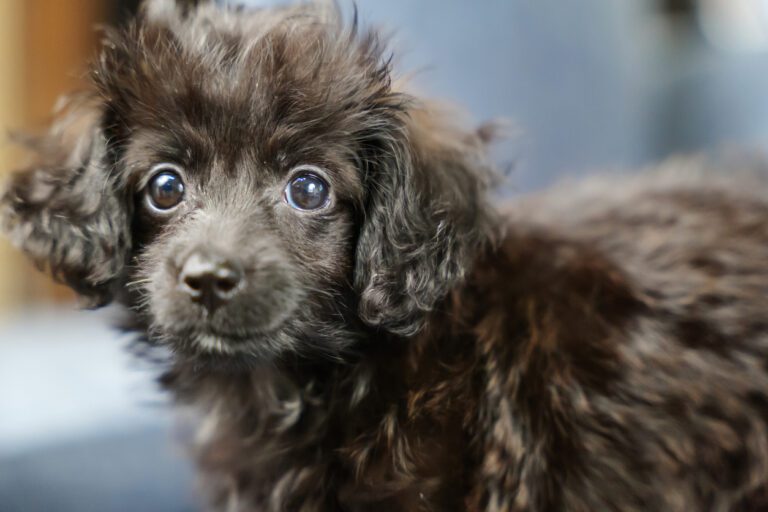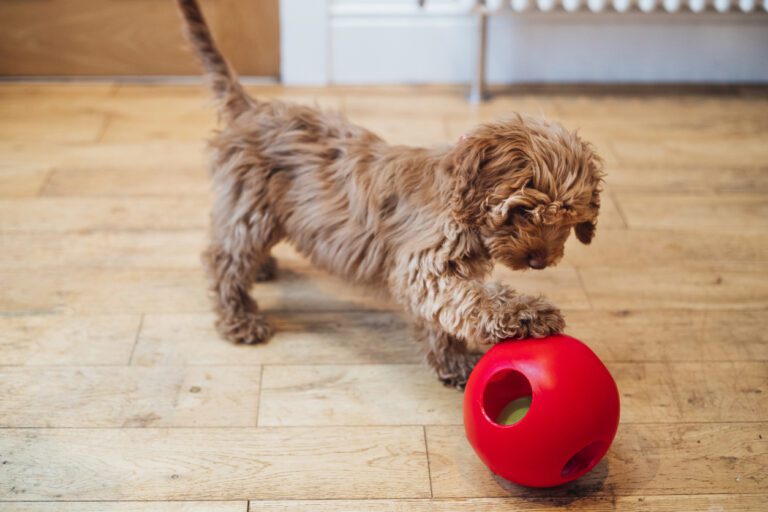
Bringing home a puppy is exciting, but it is normal to wonder what training will actually be like once the novelty wears off. Will your puppy listen? How difficult will toilet training be? And are you about to spend the next few months repeating “come” while your dog runs in the opposite direction?
So, are Pomapoos easy to train? In many cases, yes. Pomapoos can be bright, affectionate dogs that enjoy interacting with their owners. Their intelligence can make learning new commands easier, although individual personality, consistency and the way you train all make a difference.
Are Pomapoos Easy to Train?
Pomapoos are generally considered fairly easy to train. They often inherit intelligence from the Poodle and an alert, lively nature from the Pomeranian. Many respond well to reward-based training using treats, toys and praise. Training should start early, stay consistent and be kept short enough to hold a puppy’s attention. Some Pomapoos can also be independent or easily distracted, so patience is still important.
No two puppies will learn at exactly the same speed, even if they’re from the same litter. One may understand “sit” within a few repetitions, while another might need several short sessions before it clicks.
How to Train a Pomapoo Puppy
If you are learning how to train a Pomapoo puppy, you do not need complicated exercises or hour-long lessons.
Start somewhere quiet and teach one thing at a time. Reward the behaviour you want as soon as it happens, then stop the session before your puppy loses interest. A simple training session could involve:
- Saying your puppy’s name and rewarding eye contact
- Practising “sit” three or four times
- Working on recall across a room
- Finishing with something they already understand
- Giving them time to rest or play afterwards
Five useful minutes can be far more productive than half an hour with a bored puppy.
 What Commands Should You Teach a Pomapoo Puppy First?
Start with skills that make everyday life easier and safer.
Good first commands include:
- Responding to their name
- Sit
- Wait
- Come
- Leave
- Settle
- Walking calmly on a lead
Recall deserves particular attention. Start training indoors before adding the distractions of the garden, walks and other dogs.
At Perfect Pooches, we begin introducing puppies to everyday experiences and socialisation while they are young. We also start working on behaviours such as alert barking before puppies leave us. You can find out more about how we raise our Pomapoo puppies.
Are Pomapoos Easy to Potty Train?
Pomapoos can learn toilet training well, but accidents should be expected while they are young. Take your puppy outside regularly, particularly:
- After waking up
- After eating or drinking
- After play
- When they begin sniffing or circling
- Before bedtime
Reward them immediately when they go in the right place.
If an accident happens indoors, simply clean it up and continue with the routine. Telling a puppy off afterwards will not help them understand what they should have done instead.
For more help with those first few days at home, read our guide to welcoming a Pomapoo puppy during the first week.
Can Pomapoos Be Stubborn?
Some can appear stubborn, although distraction is often the real problem.
A command that works perfectly in your kitchen may suddenly disappear when your puppy is outside and there are people, smells or other dogs competing for their attention.
If that happens, make the exercise easier again. Reduce the distractions and use a reward your puppy genuinely cares about.
Consistency across the family helps too. If one person allows a behaviour and somebody else discourages it, your puppy has no clear rule to follow.
How Do You Stop a Pomapoo Barking Too Much?
Some Pomapoos may inherit the Pomeranian’s alert nature and be quick to notice visitors, noises or movement outside.
Before trying to stop barking, ask what is causing it.
A Pomapoo might bark because they are:
- Excited
- Bored
- Worried
- Seeking attention
- Reacting to something outside
Teaching an alternative behaviour can be more useful than repeatedly saying “no”. For example, reward your dog for moving away from the window and settling calmly when somebody passes outside.
Scent games, food puzzles and short training exercises can also give an active dog something productive to think about.
Pomapoo Puppy Training Checklist
If you want a simple routine to remember, focus on these five things:
- Start early rather than waiting for unwanted habits to develop.
- Keep sessions short and finish while your puppy is still interested.
- Reward quickly so your Pomapoo knows exactly what they did right.
- Use the same words and rules throughout the household.
- Add distractions gradually rather than expecting perfect behaviour everywhere immediately.
How Long Does It Take to Train a Pomapoo?
There is no fixed timescale.
A Pomapoo may learn basic commands quickly, but still need weeks or even months of practice before those behaviours become reliable in different situations.
Training is also ongoing. Asking for a sit before dinner, practising recall in the garden or rewarding calm behaviour when somebody comes to the door all reinforce good habits without turning every day into a formal lesson.
What If Your Pomapoo Is Difficult to Train?
Finding one part of puppy training difficult does not mean you have a badly behaved dog.
Recall, barking, pulling on the lead and settling calmly can all take time. Sometimes a small change in timing, rewards or routine is enough to make progress.
If you are struggling, are unsure how to deal with a particular behaviour or simply do not have enough time to work through it alone, extra guidance can help. Perfect Pooches offers dog behaviour and training in East Sussex for puppies and adult dogs, including one-to-one support.
Give Your Pomapoo a Good Start
So, are Pomapoos easy to train? Many are quick learners, but good behaviour still takes patience, practice and clear rules.
Start young, reward the behaviour you want and keep training enjoyable. Do not worry if progress is not perfect every day. Puppies are learning about the world as well as learning what you expect from them.
If puppy training is becoming difficult or you would like some extra help, contact Perfect Pooches to talk to us about your dog and the training support available.