While winter is nearly over here in the UK and we’re already starting to see the first signs of spring getting nearer, it’s not unusual for the British weather to take a turn for the worse before spring arrives in full swing. So, it’s important to make sure your four-legged companion is safe and bundled up while outdoors – from protecting their delicate paw pads, the team at Perfect Pooches are here to help. Get in touch now for more information or to enquire about current breeds we have available.
Do Dogs Feel The Cold?
Yes, dogs do feel the cold, and while some breeds are more resilient than others, all dogs can be affected by low temperatures. Short-haired and smaller breeds, as well as older dogs and puppies, are particularly vulnerable to the cold. They may shiver, lift their paws off the ground, or even become reluctant to go outside, which are all signs that they’re feeling the chill.
 Even larger or double-coated breeds, such as Huskies or German Shepherds, can still suffer from extreme cold if they are outside for prolonged periods without shelter. Just like humans, dogs can develop hypothermia and frostbite, particularly on their ears, tails, and paws. That’s why it’s important to take extra care when heading out for winter walk and ensure they are properly protected from harsh weather conditions. At Perfect Pooches, we offer various dog breeds available for sale, most of which require a little extra care during the winter months, so if you would like to know more or enquire about the puppies we have available, contact us now.
Do Low Shedding Dogs Need a Coat?
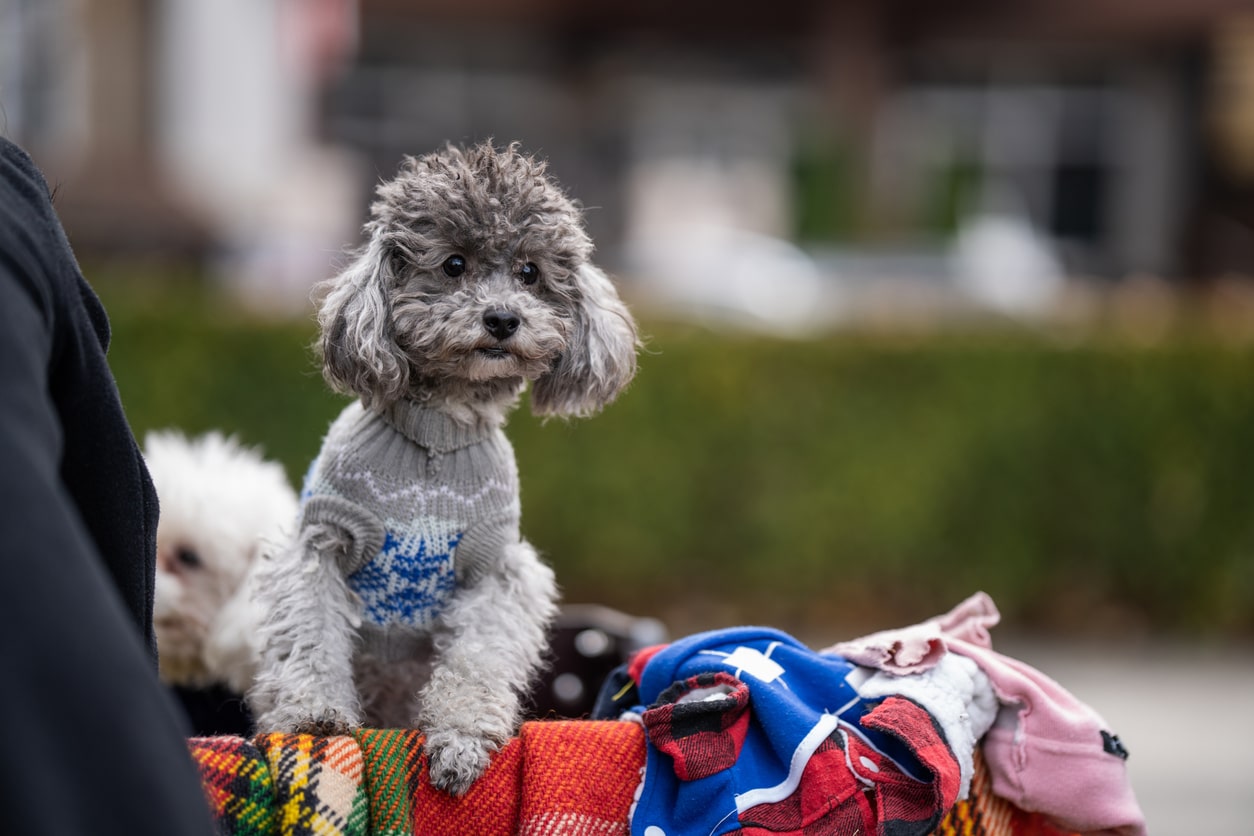
Low-shedding dogs often have a finer coat that provides less natural insulation than their thicker-coated counterparts. Because of this, they may require an extra layer of warmth when out on a winter walk. A well-fitted dog coat can help prevent heat loss and keep your pup dry in rainy or snowy weather. Some popular low-shedding breeds that benefit from wearing a coat in winter include:
Cockapoos: Their soft, curly fur does not offer the same insulation as a thick, double coat. A waterproof and fleece-lined jacket is ideal for keeping them warm and dry.
Cavapoos: With their silky coats and smaller size, Cavapoos can quickly lose body heat. A cosy, insulated coat will help keep them comfortable.
Pomapoos: These tiny companions are highly sensitive to cold temperatures. A lightweight but warm jacket can prevent them from getting chilly while outdoors.
Toy Poodles: Despite their dense curls, Toy Poodles can feel the cold, especially in damp weather. A well-insulated coat helps maintain their body temperature.
While some dogs may seem comfortable without a coat, it’s always best to monitor their behaviour. If they start shivering, slowing down, or trying to head home early, they likely need some extra warmth.
 Are Boots For Dogs Worth It?
 Are Boots For Dogs Worth It?
 Dog boots may look like a fashion statement, but they serve a practical purpose in winter. Snow, ice, and road grit can be harsh on your dog’s paws, causing dryness, cracking, and even frostbite. Additionally, salt and de-icers used on roads and pavements can be harmful if licked off their paws. Boots provide a protective barrier, keeping their feet warm and preventing damage.
Not all dogs take to wearing boots straight away, so it’s a good idea to introduce them gradually and ensure they fit snugly but comfortably. If your dog refuses to wear boots, you can use a paw balm to protect their pads from the elements and wash their paws thoroughly after walks to remove any harmful substances.
Safety Essentials
Keeping your dog safe during winter walks is just as important as keeping them warm. The colder months bring additional hazards, so it’s important to take precautions to ensure their wellbeing, such as:
Avoiding Antifreeze: Antifreeze is highly toxic to dogs, and unfortunately, its sweet taste makes it appealing to them. Keep it well out of reach, and be mindful of any spills when out on walks.
Keeping Dogs on Lead: Snow can mask familiar scents, making it easier for dogs to become disoriented and lost. A lead ensures they stay safe and close by, especially in unfamiliar areas.
Not Letting Dogs Walk on Frozen Water: Ponds, lakes, and rivers may look solid when frozen, but they can easily crack under your dog’s weight, posing a serious drowning risk.
By taking these precautions, you can enjoy safe and enjoyable winter walks with your furry companion.
For more information, contact Perfect Pooches today
At Perfect Pooches, we care about the safety and well-being of your beloved pets. Whether you need advice on keeping your dog comfortable in winter, cool in the summer, professional grooming services, or information on our available breeds, our team is here to help. Get in touch today to learn more about how we can support you and your four-legged friend!