When you start thinking about breeding your dog, the first step is to find a stud dog. This can be a daunting task, as there are so many stud dogs out there. How do you know which one is right for you? What should you look for when choosing a stud dog? Don’t worry, there are easy ways to determine which stud dog is right for you!
At Perfect Pooches, we offer a range of dog services, from behaviour training to fertility services, and we’re proud to offer many different stud dogs. However, when it comes to choosing a stud dog, we also have you covered! The expert team at Perfect Pooches has put together this guide to selecting the best stud dog for your needs, keep reading below for more information!

What To Look For In A Stud Dog
When choosing a stud dog, there are several important factors you’ll need to consider to ensure the success of your breeding programme. While it might be tempting to focus solely on appearance or availability, a responsible breeder should prioritise the dog’s health, temperament, pedigree, and cost. These four key areas play a critical role in determining the quality of the litter, the ease of the breeding process, and the long-term well-being of the puppies. Taking the time to carefully evaluate each of these elements will help you select a stud that not only complements your female but also upholds the highest breeding standards.
Healthy
The stud dog must be in excellent health and free from hereditary or genetic conditions that could affect the well-being of the puppies. You should ask for recent health certificates and documentation of relevant tests such as hip and elbow scores, DNA screenings, and checks for breed-specific issues. A reputable stud owner should also provide records of routine vaccinations, worming treatments, and vet visits. Don’t hesitate to ask questions – this is one of the most important parts of ensuring a healthy litter.
Temperament
A stud dog’s personality will influence his offspring. You want a stud that is calm, confident, friendly, and sociable. He should not be overly dominant, anxious, or aggressive around people or other dogs. Ideally, you’ll get to meet the dog in person to assess his behaviour, how he responds to commands, and how he interacts with his handler. Remember: even if your female has a lovely nature, pairing her with an unstable stud may pass on unwanted behavioural traits.
Good Pedigree
A strong pedigree means the stud dog comes from a line of well-bred, healthy, and often award-winning dogs. A documented lineage, especially with champions or show-quality dogs, suggests consistent breeding quality. This is especially important if you’re breeding for show, working potential, or to maintain breed standards. Ask for copies of the stud’s KC registration or Pedigree Club certificate as appropriate for the breed.
Cost
The cost of using a stud dog can vary widely depending on breed, experience, pedigree, and what’s included in the fee. Always clarify what is covered – common items might include semen collection, natural mating or artificial insemination, repeat matings (if unsuccessful), and sometimes transport or shipping of semen. Get everything in writing, including terms for payment, to avoid misunderstandings.
Breed-Specific Considerations
While it’s important for stud dogs to have a good general clearance for breeding, specific breed characteristics also need to be considered. At Perfect Pooches, we have been studding dogs, and using stud dog services ourselves for years, and we believe we have a good idea for what to look for in the breeds we offer.
Cockapoo

If you’re breeding an F2 or higher cockapoo (where both parents are cockapoos too) you won’t be able to present or receive KC registration or register your litter with the Kennel Club as they are a crossbreed. However, they can be Pedigree Club registered so you should get this registration as proof of their stock.
The size, muzzle, and fur of a cockapoo will vary depending on the breed, however a mini cockapoo should weigh between 12-19 lbs and measure 15in or less in height, while a maxi cockapoo should weigh between 20-65lbs, and have a height of 16in or more.
Cocker Spaniel

Cocker spaniels were originally bred to be gundogs, and perfect breed examples showcase a dog that is playful, affectionate, and intelligent. They have a long coat that requires daily grooming and can have a lifespan of 12 years or more.
Common conditions that can affect a cocker spaniel include dry eye, ear disorders, bumps and lumps, blood disorders, and pancreatitis, so it’s imperative that the cocker spaniel you choose as your stud dog has been thoroughly health tested. This reduces the risk of breeding dogs that have these same conditions and means the bred litter will live a long, healthy life.
CKC Spaniel

The Cavalier King Charles Spaniel is a friendly and affectionate dog breed that tends to love people and have a very strong bond with its owners, making them an ideal first dog for an inexperienced owner. A stud dog should represent these ideals, with a calm temperament but playful nature
An ideal physical representation of the breed should have a domed head with large, expressive eyes, ears that are long and silky, and coats that are soft and wavy. They are classed as a toy breed dog so they should weigh 15 lbs or less and be roughly 12-13 inches tall.
Cavapoo

Like cockapoos, no two cavapoo will look alike due to being a crossbreed of a poodle and cavalier king Charles spaniel. However, a cavapoos characteristics are defined by their high affection and friendliness towards their owners. A good example of the cavapoo breed should be intelligent, and they should have a calm temperament.
A cavapoos coat can be straight or curly but is typically low-shedding, and they have bags of energy. It’s important the stud cavapoo you choose is fully health tested as they can inherit common issues from both parents. Ideally, your chosen cavapoo stud should be Pedigree Club registered.
Maltipoo

A crossbreed between a Maltese and Poodle, a Maltipoo inherits excellent characteristics from both parents, being gentle but playful and highly intelligent, able to learn different commands and tricks quickly. Additionally, the ideal example of a Maltipoo should have a hypoallergenic coat, making them popular for those looking for a low shed dog.
Typically, Maltipoos have dark round eyes and a black or brown nose, while their ears are usually medium length and can either hang down close to their heads, or stick out a bit. The perfect stud dog will also have a fluffy tail that curls over their back.
Dachshund

Dachshunds come in different sizes and have different coat variations – from standard dachshunds to miniature dachshunds. The fur variations include short haired, long haired, and wire haired, but they all share the similarities of long faces, short legs, and floppy ears.
The temperament of a dachshund stud dog should be lively and playful. Though they are an intelligent breed, dachshunds are notorious for being stubborn, so your dachshund stud dog may not be 100% trained but this is not a negative reflection of the breed, instead it’s a prime example of the behaviour you should expect from a dachshund.
Pomapoo

The Pomapoo is a cross between a Pomeranian and a Toy Poodle, resulting in a small, intelligent dog with a charming personality. A well-suited Pomapoo stud should be outgoing, affectionate, and show signs of being alert and responsive to commands. They often have a soft, fluffy coat that requires regular grooming.
Physically, look for a compact frame, upright ears, and a curled tail. They typically weigh between 5-15 lbs (2.3-6.8 kg) and make excellent companion dogs due to their loving nature and small size.
Toy Poodle
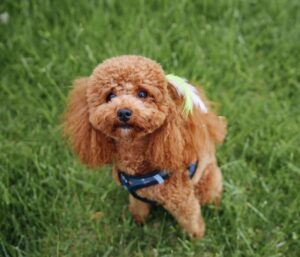
The standard appearance of a toy poodle is a well balanced coat of tight curls that has very low shedding, making them excellent for anyone with allergies. Poodles have a low level of aggression and are eager to please their owners, and this combined with their high levels of intelligence makes them extremely easy to train.
The perfect example of a toy poodle stud dog should weigh between 4 lbs to 6 lbs and be no higher than ten inches and their temperament is best described as friendly, intelligent, and self-confident.

The Process Of Using A Stud Dog
When choosing a stud dog, you should always ask the stud owner for references from previous customers so that you can get their opinion of the stud dog and stud owner. If possible, it is also a good idea to visit the stud’s home so that you can get an idea of what he is like in his environment before making any decisions or commitments.
Once you have found a stud dog that meets your criteria, the next step is to contact the stud owner and arrange a visit so that you can meet the stud in person.
Stud Dog Fees
If everything goes well during your stud dog’s first meeting with your female, it is time to make some final decisions about mating them. Stud owners usually charge each time their stud mates with a bitch (a stud fee), so before agreeing on anything else, you should discuss stud fees and what they include.
Each breed and stud dog owner will offer a different price to stud their dog. You can of course do research online prior to choosing your stud to determine an average price or stud fee for dogs.
What Does The Stud Owner Get?
Something that can often be asked is “what does the stud owner get?”. A lot of people looking for a stud dog question what’s in it for a stud owner. The short answer is, that it can depend on the particular owner but most ask for a stud dog fee whereas it can sometimes be agreed that they get a pick of the litter. You should, of course, discuss this at the initial conversation to ensure that you’re both completely satisfied and aware of the agreement if it has not already been made clear.
When Do You Pay For a Stud Dog?
After agreeing on stud fees and other details, you can then arrange a date for the stud to mate with your female. When the time comes for mating to take place, there are two options: either the stud owner will collect a semen sample from his stud dog or allow you to do it yourself. If you choose to collect the semen sample yourself, you will need to purchase a container specifically for this purpose and follow the stud owner’s instructions on how to store and ship the semen correctly.
You should always discuss fees, payment and the arrangement in full prior to the agreement. This will ensure that both you and the stud owner are completely aware of the situation and what to expect. This way, you can also ask questions in relation to the studding so that everything runs smoothly. Simply ask the owner how much to stud their dog so that this can be made clear right from the off.
Once everything is taken care of and the pregnancy has been confirmed, you can sit back and wait for your puppies to be born! Congratulations on adding a new stud dog to your breeding program!
The Benefits Of Using A Stud Dog
Using a stud dog not only improves your breeding program but benefits the stud owner as well. Here are some of the many benefits of using a stud dog:
- You know what quality you’re getting, as the stud dog’s pedigree is already known.
- The stud owner has already done all of the health tests on the stud dog and can provide you with copies of all health certificates.
- The stud fee is usually much less than the cost of purchasing a quality puppy from a breeder.
- The stud owner will typically assist in getting your bitch pregnant, including providing artificial insemination (if needed).
- The stud dog’s owner will typically offer support and advice after the puppies are born.

Need Help To Find a Stud Dog?
Contact us today if you’re looking for a quality stud dog to improve your breeding program! We have many stud dogs available that meet all of the criteria listed above. We believe Perfect Pooches should be your first choice for stud dogs. Check out our blog for more advice on dog breeding.