Training Tips For Your New Puppy
Whilst having a puppy can be so rewarding and heartwarming, their training is an essential part of their journey to becoming a dog. So, whether you’re in search of advice on training your puppy, prior to owning one or are looking for tips as you go, we’re here to help.
At Perfect Pooches, we have been providing dog behaviour training across East Sussex for many years now, so it’s fair to say that we have all your needs covered when it comes to puppy training.
Within this post, we’re going to share 10 of our top tips on how to train your puppy. We hope that they help you on your and your puppy’s journey, and should you require training in person, then please do not hesitate to get in touch. With that said, let’s get started!
Basic Vs Advanced Training
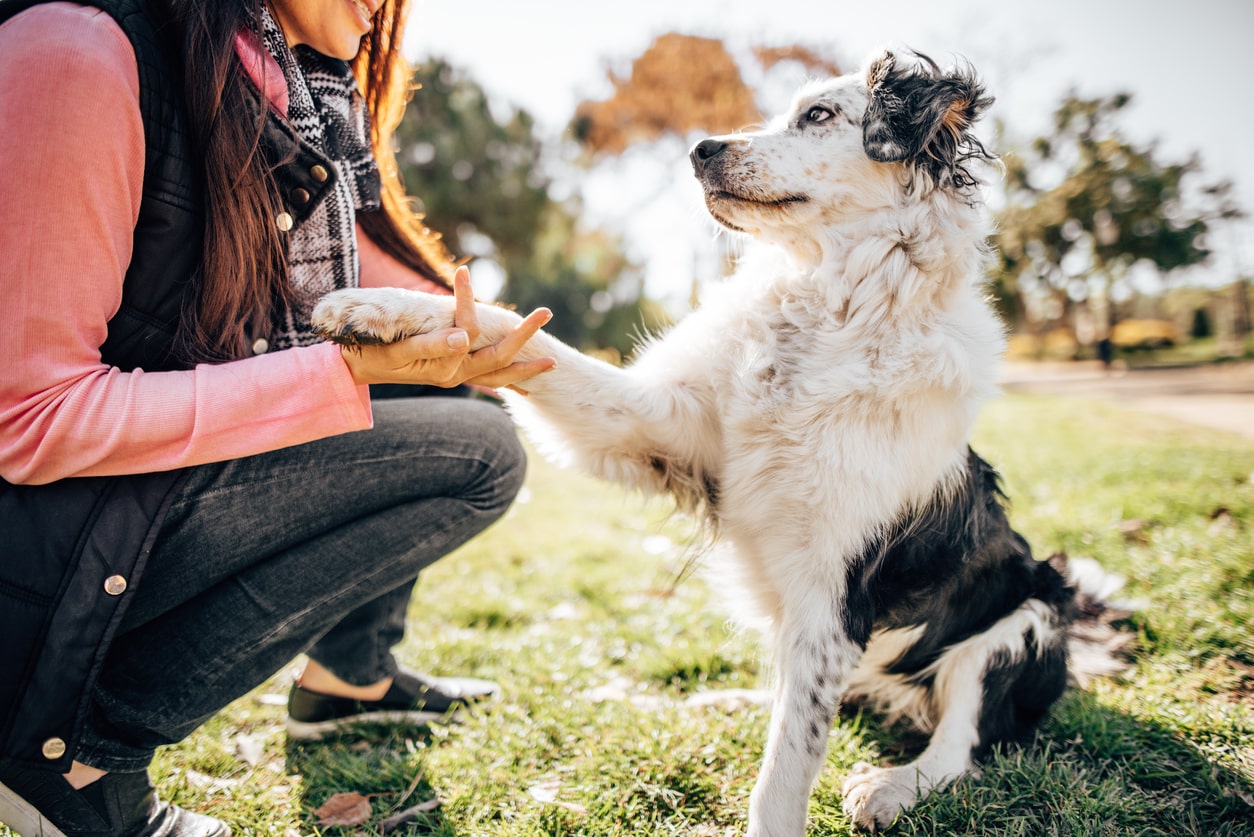
Before diving into advanced tricks or obedience routines, it’s important to understand the difference between basic and advanced puppy training. While both are valuable, they serve different purposes in your dog’s development.
Basic training focuses on essential commands and house manners that help your puppy integrate into family life, including:
- Sit, stay, and recall (coming when called)
- Toilet training and crate familiarity
- Walking nicely on a lead
- Responding to their name
- Socialisation with people and other dogs
Advanced training, on the other hand, builds on these foundations to improve obedience and mental stimulation. This might include:
- Heel work or off-lead control
- Complex commands (e.g. roll over, leave it)
- Agility and sport-based activities
- Scent work or puzzle-based tasks
- Impulse control in exciting environments
The key is to master basic training before attempting more challenging cues or activities. Puppies learn best in a structured, step-by-step manner, so keeping things achievable helps prevent confusion and frustration – for both of you!
Advanced training can be a fantastic way to bond with your dog and enrich their life. However, it’s important to make sure the basics are consistent first, as they’re the foundation for everything else.
Importance of Basic Training
Basic training isn’t just about commands – it’s about communication. Teaching your puppy fundamental behaviours like sitting on cue or walking calmly on a lead lays the groundwork for a respectful and trusting relationship. These early habits are what shape your dog’s future behaviour and ensure they’re well-mannered both at home and in public spaces.
Early training also helps build your puppy’s confidence. Dogs who understand what’s expected of them tend to feel more secure, and are often calmer and more focused as a result. This also reduces the risk of behavioural issues developing later in life, such as excessive barking or aggression due to confusion or lack of boundaries.
1. Choose Your Dog’s Name Wisely
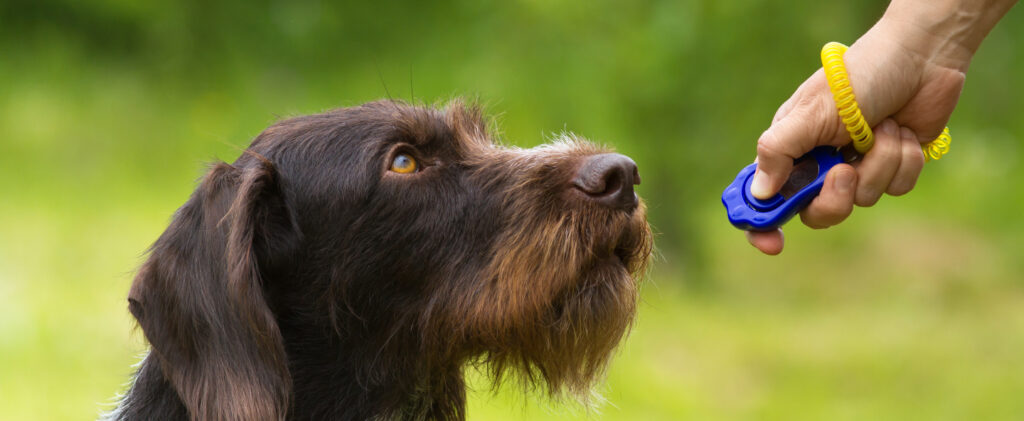
One of the most simple yet important tips for your puppy’s training is their name. You should always choose a name that is clear to understand both at an inside and outside voice level. You should look to consider short names as these are especially effective in training.
2. Decide On Your Household Rules
When it comes to household rules, just like with children you should always agree on them and stick to them. Avoid altering your rules depending on who is doing the training, as this will mean that the orders you’re giving are inconsistent and can confuse the puppy. Not only that, but if one person says no to being on the sofa and the next person says it’s OK, this could mean you’re taking 3 steps forward to take 5 steps back.
3. Reward Their Good Behaviour
You can reward your pup in many ways, it doesn’t just have to be with treats. Otherwise, include playing with your puppy for periods at a time and even praise can be an effective method. This could be giving them a stroke, giving praise such as “good” or “well done” as repetitive phrases like this with positive actions and tone will symbolise an achievement.
4. Start With The Basics and Work Your Way Up
Something that often gets forgotten is to start with one trick or command and to focus solely on it until it has been mastered. A lot of people may think that a few days on one trick will cement it in but it may take weeks for certain tricks and commands to be picked up and recognised (especially the difficult ones). So, start with commands such as: sit, wait and stay, then you can slowly work up to paw, lay down and then the more complex ones.
You should keep covering the tricks and commands that they’ve mastered as this will help to remind them of everything they’ve learnt so far.
5. Train The Do’s and The Don’ts
It’s important to make sure that your training isn’t just based on negatives but also the positives. For example, you may show your pup not to jump up on people, but also take the time to teach and reward good behaviour like sitting at the door. Positive reinforcement will show your puppy that your training time isn’t just commands being said and enforced but it’s also to praise their good behaviour.
6. Say No To Biting and Chewing
Right from the start, you should tell your puppy that biting and chewing is wrong. A lot of people may sidetrack from this as they think that they only have baby teeth or aren’t doing wrong whilst they’re young but this sets them up to think that it’s OK to do, until months later when they’re told otherwise. So, right from the start make it known that biting and chewing is wrong and make it clear that it is not OK. This will help to teach them right from the off.
7. Do Things You Do Often, Early
Our main example of this is to regularly take your pup in the car or to surroundings you go often as this will allow them to get used to it at a young age. Especially if you travel far, regular car trips will allow your puppy to get used to the motions and feelings while they’re young and will practice can be made before a long trip. You could also visit other places like the beach or parks if this is somewhere you intend on going often.
8. Be Persistent
Although your training may feel like it’s never-ending, it’s important to be consistent and persist with what you’re doing. Try to remember that your puppy will rely heavily on what it is that’s being taught, so keep to what you’re doing and the rewards will show soon enough.
9. End Training on a High
It is important to always end your training session with a positive attitude and reward, so long as it’s been earned of course. You should always end the session when your puppy has taught something new or has done a command as instructed. This will allow you to end with praise and encouragement rather than on a low where they have perhaps misunderstood a command.
10. Enjoy Every Moment!
Your puppy will only be a puppy once, so enjoy every moment of their cuteness! Your training should be as fun as possible, both for you and your pet, so do try and enjoy the journey. Although it may be testing at times, just remember that your puppy is thankful for what you’re teaching them and their whole adulthood will be moulded to what they’re being shown. So, make the most of it and enjoy the bonding time with your pup!
5 Quick Pointers To Help With Training
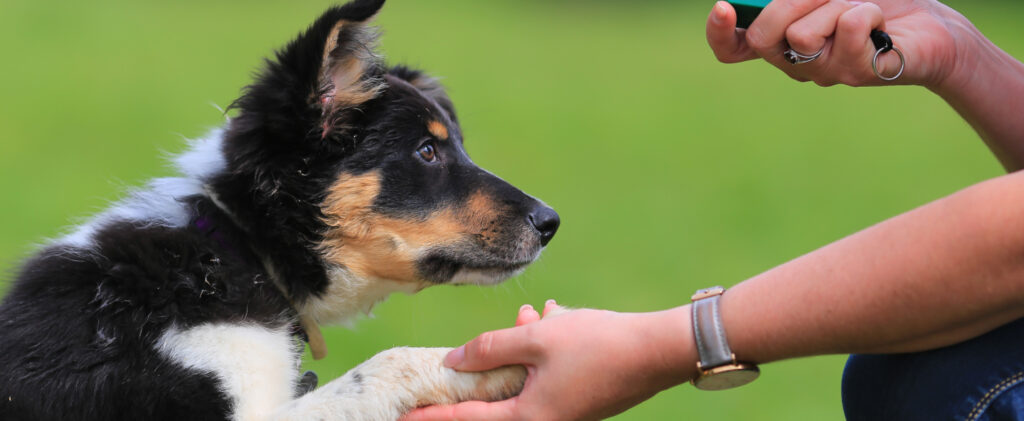
We have 5 extra pointers to help you to get your training off to a great start. These pointers are there to back up our 10 main tips and should help you in your training journey. That said, our 5 quick pointers are:
- The sooner you start training the better – Even from 8 weeks or younger
- Training in intervals and short periods of time work the best
- Dedicate your time to training – It may take a while but the rewards are phenomenal
- Be confident – Your dog can pick up on your feelings and emotions so always carry out your training in confidence
- Potty train from the off – This will make sure your puppy is used to the protocols right from the start in oppose to weeks later
It’s worth remembering that every puppy is different – some will pick up commands quickly, while others may take a bit longer. The key is to remain consistent, patient, and encouraging throughout the process. Puppy training isn’t just about creating a well-behaved dog – it’s about building a lasting bond, developing trust, and making sure your dog feels safe and supported as they grow.
Contact Perfect Pooches for Dog Training in East Sussex
For all your needs regarding dog behaviour training in East Sussex, be sure to call on our experts at Perfect Pooches. We’re proud to offer our dog training throughout the local area, so no matter your needs and requirements you can be sure to count on us.
Simply get in touch with us today to discover more about our dog training in East Sussex. Should you like to book our training course, then we will be happy to discuss our availability and answer any questions you may have.
If you’re looking to add a puppy as a new addition to the family, we can help with that too! We offer a range of puppies who have all been brought up in a loving home and kept safe and healthy with regular check visits. Contact us today to find out about our waiting lists and our puppies – which includes Cavalier King Charles Spaniels, Dachshunds, and Cavapoos!